
In Memory of Sabine Messner (1954-2023)
It is with great sorrow that we mourn the loss of Sabine Messner, who passed away in May 2023.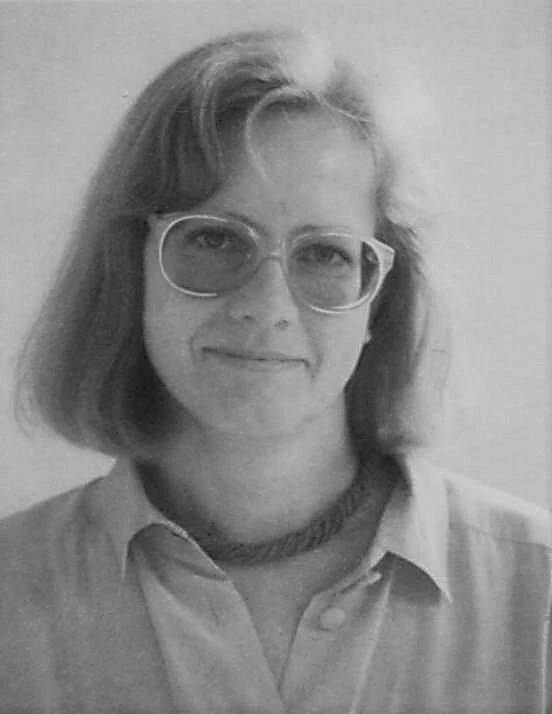
Sabine found her calling in scientific and technical work and enjoyed many beautiful and successful years alongside her partner, Manfred. After his passing, she embarked on a new chapter, finding joy in her residences in Mödling and at Lake Attersee.
Throughout her life, Sabine was guided by her passion for mathematics, flowers, art, travel, and international cuisine. These interests accompanied her on her remarkable journey.
Sabine Messner's legacy as an esteemed IIASA researcher will forever be remembered. Her contributions and dedication to advancing scientific knowledge have left an indelible mark. May her soul find eternal peace, and may her memory continue to inspire future generations of researchers.
This page serves as an opportunity for friends, colleagues, and loved ones to gather and pay their respects. Please feel free to share your memories in the comments below.
Sabine Messner - A Tribute by Arnulf Grubler
Sabine was a particularly gifted mathematician and pioneer in methodological advances in large-scale systems engineering optimization models that came to prominence in long-range energy planning and scenario studies as well as in the analysis of climate mitigation policies. She was one of the first women working in this field not only at IIASA but also internationally and she pushed scientific frontiers in both methodology as well as in policy relevant applications. Several of Sabine’s contributions were so novel and advanced that it took several years for the scientific community in the field to fully understand and appreciate their fundamental and important nature. Sabine’s modesty never led her to ascertain her bragging rights as innovation pioneer. In fact it was often left to her colleagues and collaborators to set the record straight when early imitators of her methodological advances claimed novelty and credit for having “reinvented the wheel” that Sabine started rolling. Three examples of her pioneering work are highlighted here pars pro toto.
One of the greatest challenges in large-scale engineering optimization models remains of how to deal with uncertainty. All salient determinants of the system (demand, resource availability, technology costs, future policies, etc.) are inherently uncertain, especially over the multi-decadal time horizons typical for large-scale energy infrastructure planning and climate policy analysis. Sabine, with two IIASA colleagues (Golodnikov and Gritsevskii), pioneered a stochastic version of the large-scale energy systems model MESSAGE that endogenizes uncertainty risks (deviations from mean expected values) directly into the model’s objective function applying a suggested mathematical formulation by the late Yuri Ermoliev. The significance of this work for policy resides in the fact that not only salient uncertainties can be represented, but optimal hedging strategies vis a vis uncertainty (based on risk aversion factors defined by the policy maker) can be determined, which represents a fundamental progress, particularly for long-term energy policy and climate change mitigation analysis, where traditionally uncertainty representation (if at all included in the analysis) remains entirely descriptive, usually in form of exogenously specified scenarios or through limited model sensitivity analyses. This work, first published 1995 at IIASA (WP-95-094) and one year later in Energy remains a fundamental contribution to this very day and has strongly influenced subsequent work at IIASA by Volker Krey and Keywan Riahi.
A related pioneering contribution and a real “world first” was Sabine’s work on endogenizing technological dynamics into a stochastic modeling framework. Characteristics of technologies (like scale and costs) change dramatically over time frames of several decades. This change, usually represented in models as exogenously assumed trajectories, however does not simply happen, but is the result of dedicated efforts in form of R&D and niche market deployment investments. By treating this change as exogenous, policy model can lead to erroneous policy conclusions of the type “wait and see” for future (better, cheaper) technologies, whereas instead near-term actions to stimulate these future (uncertain) improvements are needed. The canonical formulation for these technology dynamics is known as progress functions or “learning curves” where typically costs improve at a given rate per the doubling of cumulative deployment. As such, technologies exhibit characteristics of “increasing returns”, a concept pioneered at IIASA by Brian Arthur in 1983. Phenomena of increasing returns are empirically well documented in the knowledge and innovation fields, but are rarely used in large-scale energy and climate policy modeling because solutions are not computable with conventional (linear) optimization solvers. Sabine’s work on stochastic non-convex optimization applied to the MESSAGE model at IIASA was first published in 1995 (WP-95-114) and subsequently in 1997 in the Journal of Evolutionary Economics, followed by a highly cited paper in Energy Economics in 1998. Her work was as pioneering as it raised attention and admiration in the modeling community. It remains to this day a fundamental and crucially important advance in the state of art. That it is not being applied widely, results simply from the fact that few modelers can match Sabine’s knowledge and capabilities, which demonstrates again her uniqueness.
As last example of Sabine’s pioneering work I want to mention here her work (with the late Leo Schrattenholzer) on MESSAGE-MACRO, which bridges the gap between sectorial, “bottom-up” systems engineering and aggregate macro-economic “top-down” models, a gap that has sparked debate and controversy in climate policy circles for decades, and that Sabine helped to bridge. Building on earlier work of Alan Manne and Clas-Otto Wene and their ETA-MACRO model, Sabine was able to solve the price-quantity gap between sectorial and macro-economic perspectives for a very large systems model like MESSAGE through an ingenious iteration algorithm. First published in 2000 in the journal Energy, the approach continues to be used to this day in the Integrated Assessment modeling field at IIASA and elsewhere and is a lasting testimony to Sabine’s pioneering work.
All these important contributions from Sabine remain highly relevant to this very day. Her papers continue to be cited often and applications of her methodological advances remain as challenging and as highly policy relevant as they were 20 years ago as they are today. Around the turn of the Millennium, Sabine decided to reorient her career from basic science to more applied fields and in form of a private consulting firm she had previously founded with partners and where she served as managing director for many years. Many (including this author) considered this as a loss for science and a loss of a respected colleague and much appreciated collaborator. But Sabine perhaps had more foresight than the colleagues she left behind at IIASA, recognizing the importance of applying advanced methods to a range of concrete and urgent near-term problems that render science more directly useful to society than much of the global systems analysis we continued to do and that remained necessarily within the global science-policy interface “bubble.”
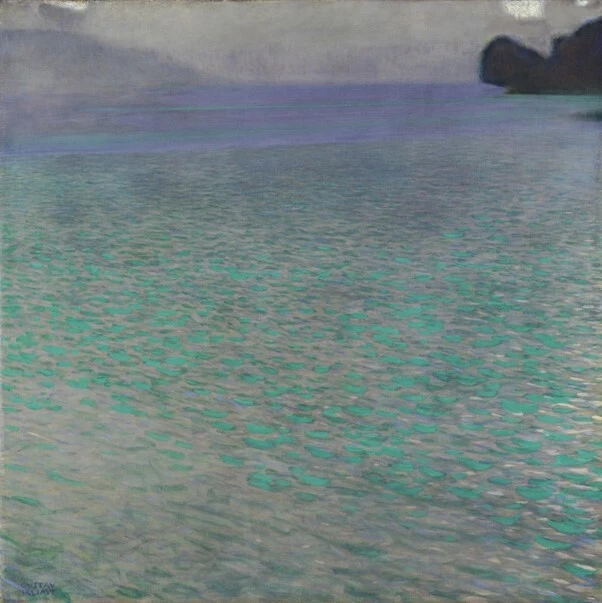
Sabine’s exceptional talent as mathematician and modeler and her dedicated and pragmatic approach made her a phantastic collaborator. She delivered always more than what one could hope for, and invariably on time. Combined with her more quiet and amicable nature and her exceptional hospitality, be it in Vienna or her family’s spectacular Villa Paulick on the Attersee, where Gustav Klimt resided for many summers and painted some of his most beautiful paintings that now approach each a value of 100 Million, Sabine was the best colleague one could imagine. Her memory will be treasured by all of us who had the privilege to know Sabine as long as we shall live. Sabine, rest in peace on the shores of the Attersee!
Sabine - du fehlst. By Holger Rogner
Liebe Familie Messner, Freunde und Kollegen.
Ich möchte anlässlich dieser Verabschiedung einige meiner Eindrücke von, und Erinnerungen an, Sabine Revue passieren lassen. Die Nachricht von ihrem Tod hat mich zutiefst getroffen und es wird noch einige Zeit dauern, bis ich diesen Schlag verarbeitet habe.
Unsere erste Begegnung fand vor knapp 44 Jahren im Sommer 1979 am IIASA statt als Prof Wolf Häfele (Vize-Direktor und Leiter des Energieprogramms) mich in sein Büro rief und ich dort Sabine und Manfred antraf. Anlass war ein Vorstellungsgespräch.
Das Energieprogram hatte damals gerade die Grundstruktur des MESSAGE Modells – ein Modell zur Optimierung der Energieversorgung – neu entworfen bzw. weiterentwickelt und benötigte dringend Hilfe für die Umsetzung in ein operationales Modell. Prof Häfele bat mich das Gespräch weiterzuführen und dabei die Energie- und Modellierungserfahrung von Sabine und Manfred genauer zu eruieren. Wir unterhielten uns nicht im Institut, sondern gegenüber im Rathausstüberl – ein Umstand der Sabine, Manfred und mich für Jahrzehnte prägen sollte.
Neben einem grundlegenden Verständnis von energiesystemrelevanten Zusammenhängen, Systemdenken und Programmierkenntnissen, beindruckten mich die Mathematikerin Sabine und der Physiker Manfred durch ihr enormen Interesse und Enthusiasmus hinsichtlich einer eventuellen Mitarbeit an der Entwicklung von Energiemodellen und Datenbanken. Sabine, eher introvertiert und etwas zurückhaltend, komplementierte Manfreds eher extrovertierte Natur in einer bemerkenswerten Art und Weise. Für mich war es schnell klar, die beiden wären eine Bereicherung der IIASA Energiegruppe.
Am Abend wollte Prof Häfele dann meine Meinung hören insbesondere hinsichtlich der Kenntnis des Programmierens von Energiemodellen und wen von den beiden ich für eine Anstellung empfehlen würde. Meine Antwort war, dass ich nach einem einstündigen Gespräch nicht in der Lage sei, die Tiefe der Kenntnisse eindeutig zu beurteilen – etwas, was sich in Folge grundlegend ändern sollte. Da Prof Häfele sich gerne absicherte, schlug ich ein Package Arrangement vor, nämlich einfach beide anzustellen. Dies geschah in der Tat und die „Zwillinge“ (wie wir das „Packet“ schnell benamsten) waren ein Teil unserer Energiegruppe geworden.
Schon bei den ersten Besprechungen zur Restrukturierung und Codierung des bis dahin rudimentären MESSAGE Models fiel mir auf, dass Sabine angesprochene Lösungsansätze sofort quasi in real-time auf deren mathematische Umsetzung überprüfte und, falls notwendig, praktikablere Ansätze anbot.
Das neu codierte MESSAGE Modell sollte dann Anfang der 80er Jahre zum Großeinsatz innerhalb einer internationalen Gasstudie kommen. Wir – die Zwillinge und ich – arbeiteten monatelang Tag und Nacht (eigentlich eher Nacht und Tag) bis uns der Sonnenaufgang daran erinnerte, dass mal wieder ein neuer Tag angefangen hatte. Letzteres sollte uns nicht hindern auf dem Balkon meiner Wohnung in Laxenburg (knapp 10 Gehminuten vom Institut entfernt) noch einen Absacker zu genießen (aus logistischen und Zeiteffizienz Gründen wurde während der letzten Wochen der Studie bei mir gecampt). Ohne Sabines konsequente Plausibilitätsüberprüfung bzw. Codekorrekturen der Modelläufe, die das EDV-System nach 20 Uhr ca. alle 1-2 Stunden von sich gab, hätten wir die Studie nicht erfolgreich abschließen können. Es braucht eine große Portion Hingabe morgens um 4 Uhr zwei Chaoten zu noch einem weiteren Modellauf zubewegen.
Ähnliche Konstellationen sollten sich dann über die nächsten 3 ½ Jahrzehnte wiederholen – z.B. Toronto (1986), Kuwait Studie und Energieplan für Stockholm Ende der 80er Jahre oder Moldawien Studie Mitte der 90er Jahre.
Die politische Großwetterlage führte mit Beginn der Reagan Administration zu substanziellen Budgetkürzungen des IIASA. Die Hälfte der damaligen Energiemodellierungsgruppe sollte entlassen werden – für uns ein Horrorscenario, das unbedingt zu vermeiden war. Der Vorschlag, das Problem mittels eines Hybridansatzes (wir alle reduzieren unsere IIASA-Anstellung auf 50% und gründen eine Beratungsfirma) in den Griff zu bekommen, wurde anfangs von allen mit einer gehörigen Portion Skepsis betrachtet – außer Sabine. Sie hat eine Zweigleisigkeit sofort als Chance für eine weitere gemeinsame Zusammenarbeit mit IIASA als Kristallisationspunkt verstanden. Und somit war die Beratungsfirma TEMAPLAN entstanden.
Sabine übernahm schnell die Rolle einer Controllerin und später auch Geschäftsführerin - zusätzlich zu den modelgestützten Energiesystemstudien und Planungsarbeiten. Nicht dass sie die administrative Verantwortlichkeit wirklich interessiert hat, aber nur so konnte TEMAPLAN, Typen wie Manfred und mich, die mit Jahresabschlüssen, Steuerterminen, etc. nichts am Hut hatten, existieren. Auch holte sie uns regelmäßig auf den Boden der Realität zurück – immer nur Aufträge als „Investition in die Zukunft“ zu sehen und dabei Profitabilität zu ignorieren, kann auf lange Sicht nicht gutgehen.
Und nach knapp 20-jährigen Bestehen wurde der größere Anteil der TEMAPLAN von IRM übernommen und ein Rumpfteil als TEMAPLAN weitergeführt. Sabine hat dann IRM als ihren neuen professionellen Schwerpunkt erkoren, und sich dort komplexen Optimierungsproblemen zugewandt, das Gebiet, indem sie sich am meisten zuhause fühlte.
Sabine personifizierte das Motto “get the job done” bevor man sich der anderen Seite der work-life balance zu wendet. Für Sabine bedeute dies sich ins Grüne zu begeben, Blumen hegen und pflegen oder Ausstellungen zu besuchen. Die Villa Paulick hier in Seewalchen nahm dabei eine zentrale Rolle ein.
Und da denke ich insbesondere an die langen Wochenenden in der prachtvollen und historisch bedeutsamen Villa Paulick der Familie Messner, die wir meist in größeren Gruppen von Kollegen und Freunden mit Diskussionen, wie die Welt zu retten sei, dem Grillen ganzer Lämmer und Spanferkel, genießen von guten Weinen sowie Segeln auf dem Attersee verbrachten. Dies war für Sabine und die ganze Familie Messner teils recht stressig und nicht unbedingt erholsam, aber wenn die Frage aufkam nächsten Herbst/Frühjahr ein weiteres Mal, leuchteten Sabines Augen vor Freude.
Nach Manfreds Ableben vor 6 Jahren hat Sabine sich einen lang gehegten Traum erfüllet – raus aus der Stadt und permanent im Grünen zu leben. Wir blieben weiterhin in Verbindung, unsere Kontakte fanden aber zunehmend telefonisch statt. Und dann die Todesnachricht – unfassbar.
Abschließend möchte ich nochmals allen, die Sabine zurückgelassen hat, mein tiefstes Beileid aussprechen.
Sabine – Du fehlst uns.
Seewalchen, 02 Juni 2023
Tribute to Sabine by Nebojsa Nakicenovic
IIASA Energy Program was established exactly half a century ago back in 1973 when the Institute moved to Schloss Laxenburg still under construction and renovation. Professor Wolf Häfele led the Program and one of the first things he established were regular weekly group meetings. The work focused on better understanding of the global energy systems and for the first time a true coverage of the world that was a Herculean challenge in the middle of the Cold War and a pervasive energy crisis. A key to achieving this challenge was the development of a set of energy models. At the core was the rudimentary version of the energy systems supply model MESSAGE.
Six years later in 1979 toward the end of the global energy crises, Wolf introduced at one of these weekly meetings two colleagues to join the Program and work the next quantum leap in improving the MESSAGE Model, Sabine Messner and Manfred Strubegger. The MESSAGE team was already a strong group including Malcom Agnew, Alan Manne, Hans-Holger Rogner, Leo Schrattenholzer, Alfred Voss, and others. Little did I know at that time that Sabine and Manfred would become my closest colleagues, friends, and strongest intellectual leaders for the next four decades.
These were very busy days in the Energy Program. We were finishing the major publication Energy in a Finite World where the path-breaking scenarios going more than 50 years into the future that included climate change well before the rest of the world paid attention to the looming global challenge. MESSAGE was the key model in the set and Sabine played the leading role in making it fit for this enormous challenge. At that time, I did not work directly on MESSAGE but more on completing the book and on technology dynamics. However, I was fully aware how important was Sabine’s ingenuity, meticulous attention to detail so essential for modeling and devotion to work beyond what I have seen before.
Soon, those of us in the ‘early-carrier’ of energy research also became personal friends. Sabine was not only an intellectual but also personal source of stability and support. As the only women in the group and arguably the only female energy modeler, she would give us an example through devotion to work and incredible creativity, to limit the long evenings of fun and return promptly next day to the fun of energy modeling. With Sabine in the lead, we were working every day of the week with long hours in the evenings that does explain how so much was achieved in so little time.
My joint work with Sabine intensified abruptly in 1981. We had been working on a study funded by the Volkswagen Foundation about the Solar Energy Futures for Western Europe since 1979 when Sabine joined IIASA in a larger team. However, in 1981 some of the colleagues left the team and Sabine took the primary responsibility for developing three future scenarios for Western Europe, two based on solar energy and an alternative one with a larger role of nuclear. The study was published in two IIASA reports, WP-82-126a and b. All three scenarios were leading to sustainable energy futures with the study horizon to 2100, 120 years into the future! “Two scenarios consider exclusively solar futures – one based on centralized technologies and the other on decentralized, user-oriented technologies. … While all three scenarios eliminate Western Europe’s dependence on domestic and foreign fossil energy sources, the centralized solar scenario requires substantial imports of solar produced hydrogen” from North Africa. Recently, this innovative idea of hydrogen and electricity imports from North Africa became to be known as Desertec and minimizing European energy import dependence through modern renewables is now the topic of the day, more than four decades later.
Soon thereafter IIASA faced a deep financial crisis, and I joined Sabine Messner, Manfred Strubegger, Leo Schrattenholzer and Hans-Holger Rogner in organizing TEMAPLAN in Austria for providing energy modeling advicee to the private and public sector. Sabine took the challenge of not only being the key model developer but also of being the CEO, a job that no one else could have done better especially in these difficult times.
We continued working at IIASA and some of Sabine’s seminal modeling innovations came in the decades to come. Let me mention here the joint publication of IIASA and World Energy Council on Global Energy Perspectives that notably was one of the first modeling studies to include genuinely low emissions and energy scenarios and the climate-related scenarios for the Special Report of the IPCC on Emissions Scenarios. As always, Sabine had a central role not only in providing visionary leadership for improving our modeling approach and methodology but also in creativity in tackling some of the most difficult and challenging energy problems.
Most significant is arguably her work during the last two decades on endogenizing technological change in the energy systems model MESSAGE, now evolved into a family of models and one of the leading integrated assessment modeling frameworks in the world. Endogenizing technology with increasing returns and full uncertainty was truly a path-braking endeavor. Often copied this approach however since has never reached the level of modeling sophistication and innovation that Sabine’s achievements did. This is a seminal legacy also for future generations of energy modeling efforts and studies.
That Sabine is no longer with us is a monumental personal and scientific loss for all of us. Her memory and achievements will stay with us and will be hopefully an example to coming generation of energy modelers. We will always cherish her unique contributions and exemplary, meticulous attention to detail, devotion to work beyond limits, incredible innovative drive, and most of all a kind, pleasant, and tolerant persona.
5 June 2013